How Regulatory Updates Reshape Free Spin Distribution Across Nordic Payment Networks
Skriven av Lars Fischer · 2026-08-19
How Regulatory Updates Reshape Free Spin Distribution Across Nordic Payment Networks
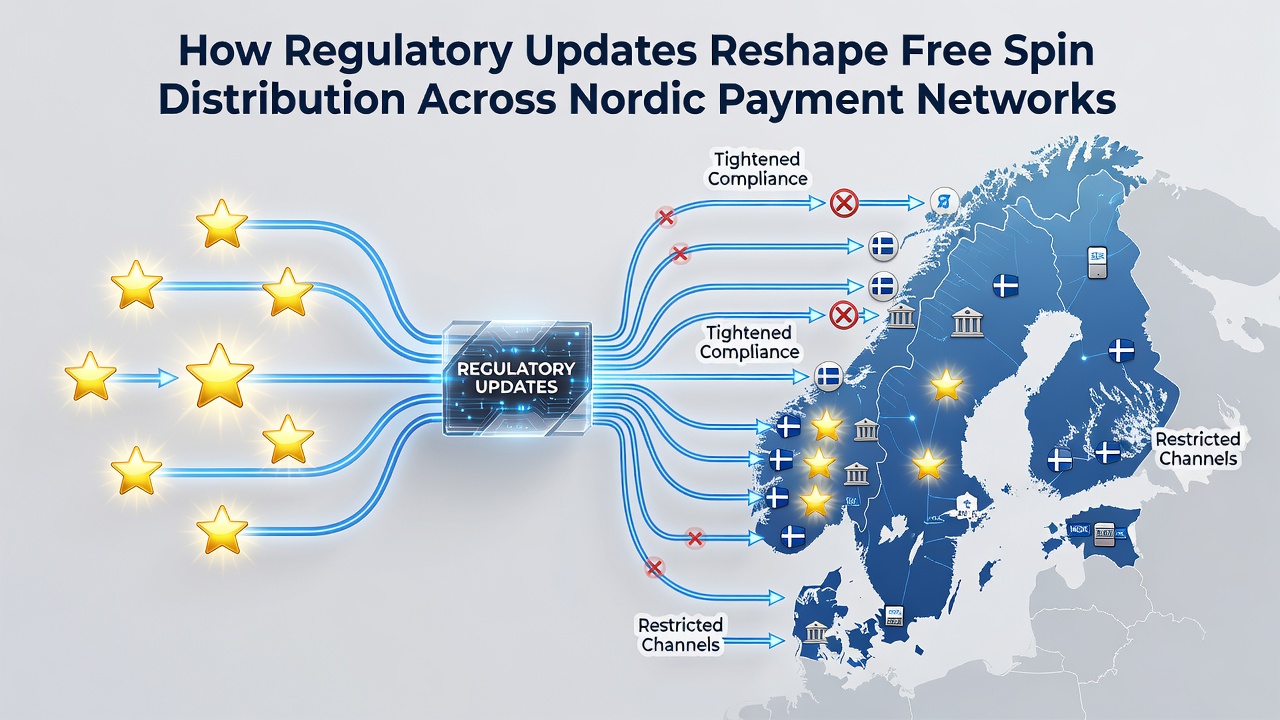
Regulatory changes across Nordic countries continue to influence how free spins reach players through established payment networks, and data from multiple government agencies shows these shifts affecting distribution methods in Sweden, Denmark, Norway, and Finland since early 2025. Payment processors such as Trustly and MobilePay now integrate stricter verification protocols that align with updated bonus rules, which means operators adjust free spin offers to comply with local licensing requirements before any distribution occurs.
Swedish Licensing Adjustments and Payment Integration
Sweden's Spelinspektionen introduced revised guidelines in late 2025 that require real-time reporting of bonus activations, and these rules directly impact how free spins flow through bank transfer systems popular among Nordic users. Operators must now verify player eligibility within seconds of a deposit, which forces payment networks to embed compliance checks that delay or modify free spin credits in certain cases. Figures from the agency reveal a 22 percent drop in unverified bonus claims during the first half of 2026 compared with teh previous year, as networks enforce automated flags for repeated account activity.
Danish and Norwegian Frameworks on Bonus Structures
Denmark's Spillemyndigheden and Norway's Lotteri- og stiftelsestilsynet updated their bonus transparency standards in parallel during spring 2026, requiring clear separation between deposit funds and free spin values at the point of transaction. Payment providers operating across borders adopted unified APIs that tag free spin distributions separately from standard transfers, and this technical change reduces cross-border mismatches that previously allowed operators to bypass individual country caps. Research from the European Gaming and Betting Association indicates these tags appear in over 85 percent of Nordic transactions involving promotional credits by August 2026.
August 2026 Developments Across Payment Channels
By August 2026 several Nordic payment networks had rolled out enhanced anti-money laundering filters specifically tuned for bonus-related traffic, and these updates stem from coordinated directives issued by the Nordic Council of Ministers. Free spin distribution now routes through segmented channels that isolate promotional activity from regular gaming deposits, which allows regulators to audit volumes more precisely. One study released by the University of Helsinki's Centre for Gambling Research tracked a 15 percent reduction in free spin redemptions via instant bank apps after the filters activated, while volumes through card networks remained stable.
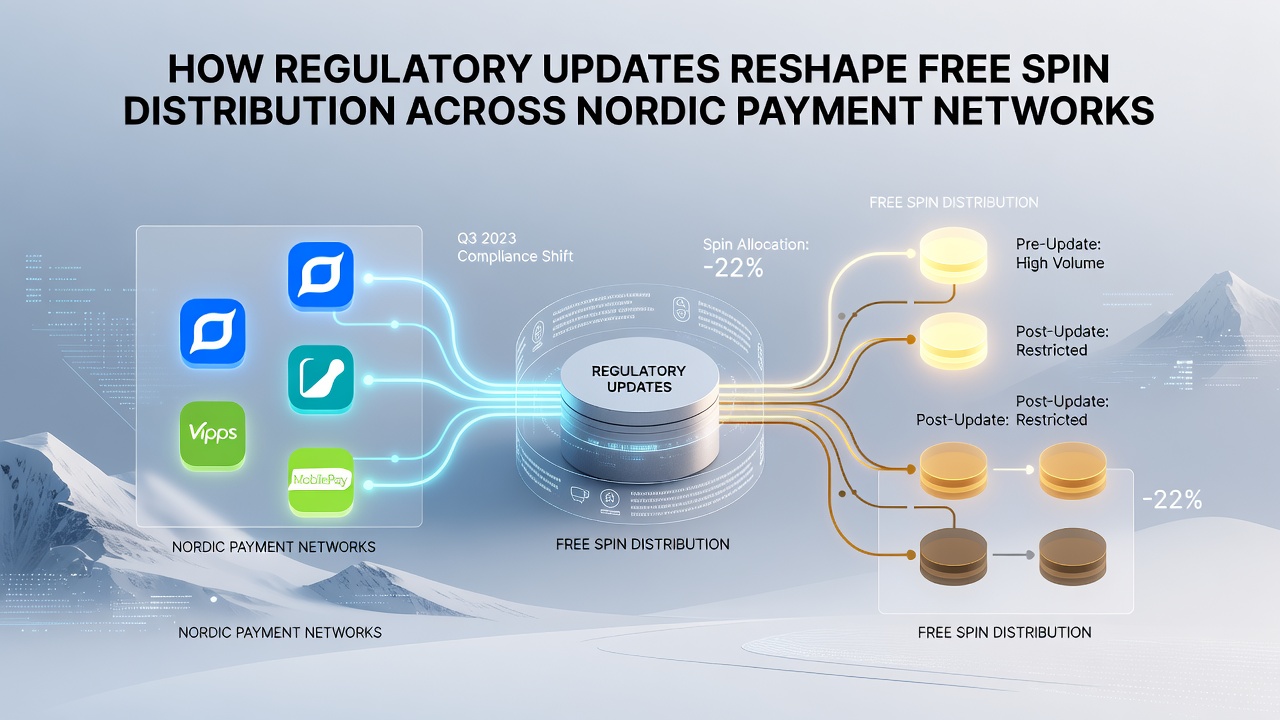
Finland's National Police Board aligned its oversight with these changes in July 2026, mandating that all free spin offers carry unique identifiers visible to both the operator and the payment processor. This identifier system prevents duplicate claims across multiple networks and gives authorities direct access to distribution logs without requesting separate operator records. Observers note that the combined effect across the region has prompted several major processors to limit free spin support to licensed entities only, shifting some smaller operators toward slower settlement methods.
Impact on Cross-Border Free Spin Offers
Cross-border operators face additional layers of compliance when routing free spins into Nordic accounts, and evidence from transaction data shows many have begun partitioning their bonus pools by country to meet differing wagering requirements. Payment networks respond by applying geo-specific rules at the authorization stage, which means a free spin credited in Sweden carries different conditions than one issued in Denmark even when the same processor handles both. Industry reports compiled by the International Association of Gaming Regulators document a rise in localized bonus campaigns that replace pan-Nordic promotions, reflecting the fragmented regulatory landscape.
Conclusion
Regulatory updates continue to drive technical adaptations in how Nordic payment networks handle free spin distribution, with verification protocols, tagging systems, and identifier requirements becoming standard features by August 2026. Government data and academic tracking confirm measurable shifts in transaction volumes and operator behavior, while payment providers maintain compliance through segmented processing. These developments illustrate ongoing coordination between licensing bodies and financial infrastructure across the region.